
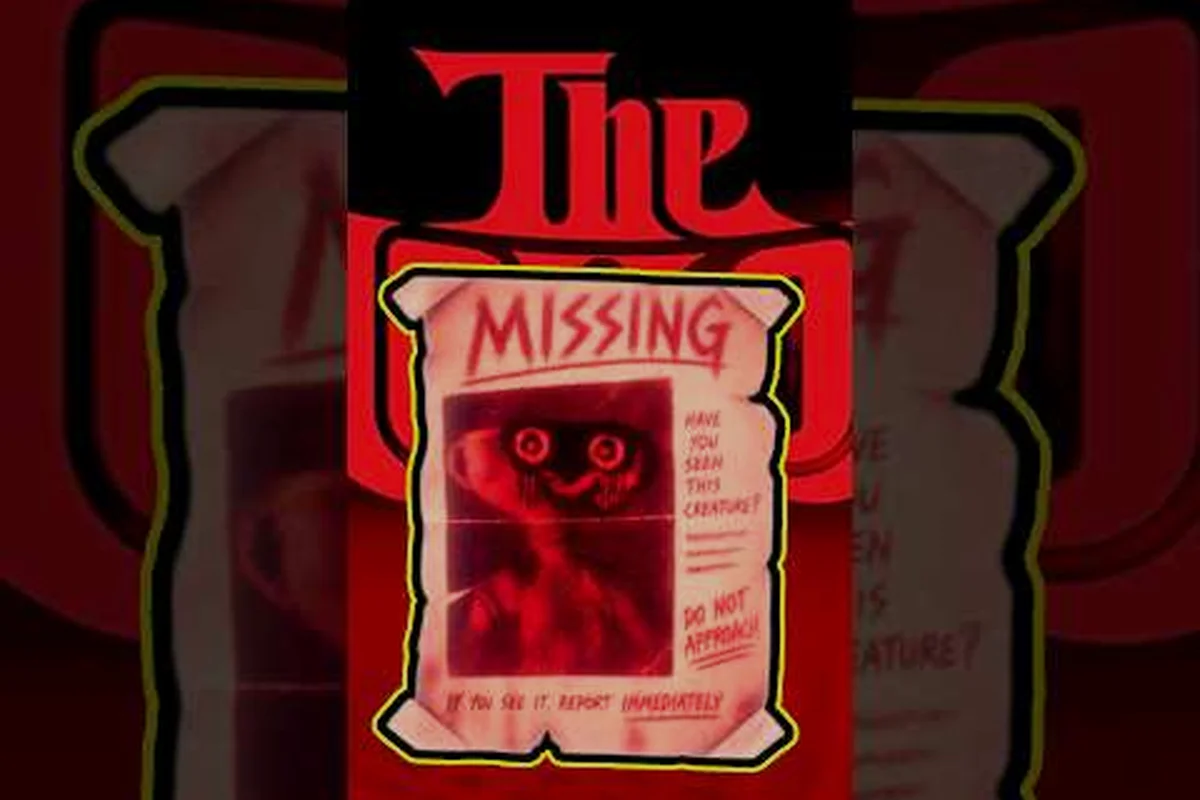
BEAR bear alpha bear weaknesses are not about making the Monstrosity easy to kill; they are about exploiting what survivors cannot fix. Permanent damage, rapid stamina loss, and the Bear’s long pursuit speed make escape, map knowledge, and smart routing more important than raw combat.
Bear alpha bear weaknesses: What actually gives survivors an edge
The central weakness of the Monstrosity is its reliance on pressure rather than instant defeat. According to community reports, the Bear cannot be damaged, moves faster than a walking survivor, and maintains an apparently endless stamina reserve during a hunt. That makes direct confrontation a losing proposition, especially when survivors are already carrying permanent damage.
The best counterplay is to deny the Bear a clean chase. Open maps can be dangerous because there is less visual cover and fewer places to break line of sight. Tight routes, hiding spots, and repeated changes of direction give survivors opportunities to slip around the Monstrosity rather than trying to outrun it in a straight line. The BEAR Alpha monstrosity guide explains the Bear’s movement from the hunter’s perspective, which can help survivors recognize when a pursuit is being extended deliberately.
| Reported Bear advantage | Exploitable limitation | Survivor response |
|---|---|---|
| Cannot be damaged | Permanent survivor damage still reduces recovery options | Avoid trading hits or delays |
| Faster than walking speed | Long straight routes are dangerous | Use corners, turns, and short loops |
| Endless pursuit stamina | Survivors lose stamina quickly | Save sprinting for decisive gaps |
| Strong closing pressure | Hiding is temporary, not a solution | Use hiding only as a transition |
No damage means no counterattack is the most important rule for the entire match. Attempting to stun, fight, or trade damage with the Monstrosity does not solve the problem and may make a survivor easier to track. The objective is survival, not victory through direct damage.
The stamina problem
The Bear’s stamina advantage creates a simple rule: never spend stamina before you know where the next safe route leads. Survivor stamina drains quickly during a chase, and the damage effect reported by players persists even after the immediate pursuit ends. This means an unnecessary sprint can turn a recoverable encounter into a long-term disadvantage.
Use short movement bursts instead of continuous sprinting. When the Bear is behind you, move around a corner only when the path gives you a chance to break its line of sight. If the route continues toward a dead end, change direction before committing. Stamina preservation is often more valuable than gaining several extra meters during an exchange.
Why permanent damage changes the match
Permanent survivor damage means the punishment for a bad chase is not limited to the pursuit. A survivor who is caught, clipped, or forced into a dangerous route may remain weaker for the rest of the round. Community data suggests that survivors suffer lasting damage and unusually fast stamina drain, although exact values may vary by platform or version.
Because of that, the safest play is not necessarily the most spectacular. A survivor who escapes without drawing a hit preserves a much better position than one who lands a brief distraction but is caught afterward. Treat every close encounter as a decision about future stamina, route access, and whether the team can still create a reliable distraction.
BEAR 2026 Strategy: Distance, Cover, Regroup
A useful bear alpha bear strategy 2026 is built around a repeatable sequence: create distance, choose cover, change direction, and regroup. The order matters because the Bear can close the gap quickly, but it still depends on a path through the map. Your objective is to make that path expensive and unpredictable.
Start by identifying the first bend rather than the farthest hiding place. Running directly toward a distant hiding spot often gives the Monstrosity enough time to keep pressure on. Instead, move to the nearest usable corner, turn around it, and wait for the Bear to commit to the previous lane. This is especially important on open maps, where the Bear can keep a straight pursuit line and survivors have fewer opportunities to interrupt it.
| Escape phase | Survivor action | Why it works |
|---|---|---|
| Detection | Confirm the Bear’s approach without wasting stamina | Prevents panic running |
| First break | Use a corner, doorway, or object to block sight | Stops a straight pursuit |
| Short hold | Hide briefly while the Bear passes | Buys time without demanding a long wait |
| Second break | Redirect toward a different route | Prevents one predictable loop |
| Regroup | Resume objectives with surviving teammates | Restores team pressure |
The BEAR Alpha survivor teamwork guide adds another layer to this loop. A survivor should communicate when the Bear has committed to a direction, especially if teammates are using noise or movement to draw it away. The goal is to distribute the chase rather than make every teammate move in the same direction.
Use corners instead of open lanes
Open lanes punish survivors because they let the Bear preserve speed and momentum. Corners interrupt that momentum because the Monstrosity must round the same geometry you used to break line of sight. The best corners also have more than one exit, giving you options after the Bear commits.
Prioritize corners with nearby hiding places, but do not treat a hiding spot as the final answer. Temporary concealment works best when it changes your route. Hide long enough for the Bear to pass, then move in a direction that sends the pursuit toward another team member or away from the objective area.
Save stamina for moments that create space
Stamina is the survivor’s most limited defensive resource. A chase may force a player to run, but panic running often uses that resource before the safe route appears. Save enough stamina to cross the final gap between one hiding place and the next safe turn.
A practical rule is to avoid sprinting until the Bear is within immediate pursuit range or until a teammate has created a clear distraction. Once sprinting begins, commit to the route rather than changing direction repeatedly, because every abrupt turn may waste speed and reveal uncertainty.
Split the lobby rather than running alone
When the map offers multiple routes, splitting the Bear’s attention is often stronger than hiding. One survivor can move noisily in one direction while another draws the Monstrosity into a separate lane. The Bear may follow the more immediate target, allowing the remaining survivors to continue their objectives.
This approach requires discipline. Splitting up should create two meaningful threats, not simply send teammates into isolated areas. If one survivor lacks stamina or has already taken permanent damage, that player should take the safer supporting route while a healthier teammate accepts the greater risk.
Bear alpha bear guide reddit: Community findings and limitations
Player discussions have been useful for identifying the Monstrosity’s practical limitations, especially because detailed official numbers are limited. A community thread in the BEAR Alpha Reddit discussion reports that the Bear cannot be damaged, outruns walking survivors, and has effectively unlimited stamina during pursuit. The same discussion emphasizes permanent survivor damage, fast stamina drain, and the importance of juking and hiding spots.
These details should be treated as community observations, not universal patch-specific facts. Reddit posts can reflect an older build, a different map, or the experience of one lobby. Before building an entire strategy around one claim, test it in the current version and watch whether the behavior changes after recent updates.
| Community observation | Practical interpretation | Confidence |
|---|---|---|
| Bear cannot be damaged | Do not waste time attacking it | High |
| Bear outruns walking survivors | Straight-line walking cannot end a chase | Medium-high |
| Bear appears to have endless stamina | Assume sustained pursuit is possible | Medium |
| Survivor damage persists | Escaping cleanly matters more than brief resistance | Medium |
| Hiding and juking work | Use cover to interrupt its path | High, player-reported |
The community evidence points to a clear conclusion: pursuit endurance favors the Bear, while map control favors survivors. A player who understands only the chase is likely to feel helpless, but a player who understands route design can create repeated interruptions.
The BEAR Alpha starting guide is useful for reviewing the broader objective loop before applying these advanced escape rules. Knowing how objectives, teammates, and the Monstrosity fit together makes it easier to tell whether a distraction is worth taking or whether the team should regroup first.
What community evidence does not prove
Community reports do not establish exact cooldown timing, damage values, map dimensions, or movement-speed numbers. They also do not prove that every hiding spot works equally well. A reported mechanic can still vary when the game updates, when the lobby size changes, or when a survivor carries a different item.
Treat community findings as directional rather than exact balance data. For the Bear Alpha, damage alone does not create a reliable escape window, so survivors should use movement and cover to create distance while preserving stamina for the next chase. Changing loops or breaking line of sight can reduce the Bear’s pursuit advantage; for example, if sprinting leaves a survivor exhausted, a route change may be safer than continuing to run in a straight line.
Bear alpha bear playlist: Build a hunt-ready audio and visual routine
A bear alpha bear playlist may sound like an unusual recommendation for a survival guide, but audio cues can help survivors identify danger before they see the Monstrosity. The goal is not to replace awareness with a soundtrack; it is to create a consistent routine for recognizing pursuit, team distractions, and route pressure.
The verified BEAR Alpha chase video on YouTube shows player-reported hunting play involving patrol routes, ambush pressure, and lobby splitting. Treat it as a visual example of pursuit behavior rather than an official specification. Compare the footage with your own rounds and focus on how the Bear changes direction, how quickly it closes, and whether survivors gain time after hiding.
| Preparation layer | Focus | Action during a round |
|---|---|---|
| Audio | Footsteps, directional cues, teammate calls | Pause objective input when pursuit sounds appear |
| Visual | Corners, sightlines, hiding entrances | Check corners before crossing open space |
| Route memory | Safe turns and alternate exits | Pre-plan two exits from important lanes |
| Team signals | Distraction direction and regroup point | Keep one teammate aware of each lure |
Use sound as an early warning
Do not turn up game volume so high that nearby objective sounds disappear. A balanced audio cue system lets you notice a directional change while still hearing teammates working nearby. When the Bear’s presence is uncertain, stop moving for a moment and listen. A brief pause can prevent a blind sprint into an ambush.
Match the routine to your role
A survivor carrying a noisy objective should listen for safe windows and avoid starting another task near an open lane. A quieter teammate can watch intersections and warn the group when the Bear changes direction. These roles do not require fixed classes; they simply assign attention more efficiently.
The chase-response rhythm is a useful personal checklist: treat each Bear chase as a short decision loop rather than an unavoidable panic sprint. Listen for the first directional cue, then use the lane geometry to select a route break before committing; if the Bear is closing during objective delivery, dropping the payload can preserve your sprint advantage and let the team regroup without forcing a risky corner fight. This matters because the Bear’s pressure scales with direct pursuit, while breaking line of sight resets the encounter’s intensity and creates space for a safer re-entry.
-
Identify the sound or sight cue.
-
Choose the nearest route break.
-
Sprint only when necessary.
-
Hide only as a transition.
-
Move again before the Bear returns.
This routine prevents the two most common mistakes: running without a destination and hiding without a follow-up plan. In practice, set a specific route-break goal—such as reaching a doorway, corner, or teammate-marked lane—before sprinting, and choose hiding only when the Bear closes the distance or blocks your best escape path. For example, if the Bear is pursuing during an objective delivery, you can break line of sight, wait for its directional cue to change, then reposition toward regrouping rather than remaining in cover. Hiding without that planned exit often leaves the objective carrier exposed when the Bear returns, while a predetermined route break preserves mobility and lets the team reset the chase without forcing a risky corner fight.
Bear alpha monstrosity win: Turn pressure into a team victory
The bear alpha monstrosity win condition is not based on damaging the Bear directly. Survivors create pressure by completing objectives, preserving teammates, and using the Bear’s pursuit behavior against its route. Since the Monstrosity cannot be damaged, players must win through objective efficiency and positional control.
Do not treat every Bear sighting as an emergency that ends all progress. Sometimes the correct response is to lure it away from an objective; sometimes the team should stop, hide, and let it pass. The strongest teams judge whether the Bear is blocking an important path rather than reacting to every sound.
| Team condition | Best response | Result to protect |
|---|---|---|
| Healthy team with good stamina | Aggressive distraction and split routes | Objective completion |
| Injured survivor on the team | Protective reroute and short hides | Permanent-damage mitigation |
| Open map | Early corner breaks and short loops | Bear line-of-sight denial |
| Tight map | Use narrow paths and coordinated lures | Predictable chase control |
| Low stamina | Hold position until a teammate creates a gap | Team survival |
Assign roles during the pursuit
One teammate can serve as the temporary lure, one can protect objective progress, and one can watch the Bear’s return path. The roles should change when stamina drops or the map shifts. For example, a healthy teammate may take over the lure after the first survivor becomes injured.
Communication matters most when the team cannot speak clearly. A consistent visual convention can still help: movement toward an object can mean “danger,” a repeated route can indicate a planned lure, and a pause can warn teammates not to enter the same lane. These signals are community-developed tactics, so adapt them to your group rather than treating them as official commands.
Exploit the objective, not an impossible fight
The Bear’s inability to take damage removes direct combat from the equation. Instead, identify what the Bear can disrupt: a generator being repaired, an item being carried, a door being held, or a teammate crossing a critical route. Then choose a counterplay that protects that objective while preserving the team’s ability to move later.
This is also where map knowledge becomes a survival multiplier. The BEAR Alpha map memory guide can help you identify corners, hiding spaces, alternate exits, and routes with multiple branches. Even without exact distances, recognizing whether a path is open, narrow, or circular can prevent the most damaging mistakes.
Know when to end a distraction
A lure should end before the survivor is trapped. If the route leads to a dead end, the survivor has no stamina, or every teammate is already exposed, it is time to hide and regroup rather than force one final sprint. A successful distraction does not require the Bear to catch the lure; it requires the objective team to gain useful time.
Bear alpha the monstrosity skin: Cosmetic identity and tactical awareness
The bear alpha the monstrosity skin is primarily a cosmetic identity marker, but recognizing a familiar appearance can still improve awareness. Players often spend more time learning a new skin’s silhouette, which can make it easier to notice when that same Bear appears at the edge of vision. No skin should be treated as a mechanical advantage unless an official update explicitly says so.
The available community skin catalog is covered in the BEAR Alpha legacy skins overview. Treat that catalog as a visual reference rather than an authority for gameplay values. It can help you distinguish appearances, but it does not change stamina, speed, damage, or the rules of the pursuit.
| Appearance factor | Practical value | Limitation |
|---|---|---|
| Distinctive silhouette | Faster recognition at map edges | Does not reveal exact position |
| Familiar skin | Stronger visual memory | Can create overconfidence |
| Rare cosmetic | No mechanical advantage | May distract from route awareness |
| Seasonal appearance | Helps track patches or events | Not a role in the round |
The most important benefit is visual consistency. Learn which color shapes, limbs, or proportions belong to the Bear, and check the corner before crossing. The skin’s rarity matters less than whether you can recognize a dangerous silhouette before the chase begins.
Appearance should not replace tactics
A memorable skin may make the Monstrosity easier to identify, but sound, line of sight, and map control still decide the outcome. Do not assume that a rare appearance behaves differently from a common one. The community evidence available for this guide supports durable tactical limits—undamageable pursuit, stamina pressure, and the need for juking—not cosmetic bonuses tied to individual skins.
Putting the weaknesses into one round plan
The practical summary of bear alpha bear weaknesses is straightforward: the Bear has overwhelming pursuit endurance, while survivors have limited stamina, lasting injury, and only temporary hiding options. The winning approach is to interrupt the chase, preserve team health, and return to objectives before the permanent consequences of a bad pursuit accumulate.
The Bear’s pursuit advantage comes from sustained pressure: once it locks onto a survivor, its longer chase window, speed, and stamina pool can turn a short mistake into a full escape failure. For example, if a survivor sprints down a corridor without a planned corner, the Bear can maintain pursuit while the survivor’s stamina drains; breaking sight earlier, using walls and alternate angles, and preserving enough stamina to reach a safe break reduces that advantage. This is why the Bear’s weaknesses are best exploited through map control and coordinated objective play rather than direct damage or a prolonged stand-off.
-
Identify two safe breaks near the current objective.
-
Keep enough stamina to reach the first break.
-
Avoid open straightaways whenever an alternate corner exists.
-
Treat hiding as a short transition rather than a final answer.
-
Protect injured survivors by giving them safer routes.
-
Use distractions to create objective time, not to seek a confrontation.
-
Confirm whether a reported mechanic still behaves the same way after updates.
| Phase | Best action | Failure to avoid |
|---|---|---|
| Before contact | Prepare alternate routes and spare stamina | Standing in an exposed lane |
| First contact | Break sight at the nearest corner | Sprinting without a destination |
| Concealment | Hide briefly and confirm the Bear’s route | Waiting until stamina is empty |
| Re-entry | Move toward a different objective angle | Repeating the same predictable loop |
| Team recovery | Regroup and redistribute roles | Isolating the injured survivor |
The strongest survivors treat the Bear as a pressure system, not a target. The bear alpha bear strategy 2026 is strongest when every escape creates a new advantage for the team, while every reckless sprint increases the cost of the next mistake.
For additional behavioral context, players can consult a bear alpha bear guide reddit discussion or review the bear alpha bear playlist alongside this guide, while keeping community claims separate from confirmed mechanics. The core outcome remains consistent: preserve stamina, break line of sight, use the map, and let objective pressure—not damage—decide the round.
Frequently Asked Questions
Can the Bear in BEAR Alpha be damaged?
No reliable source indicates that survivors can damage the Monstrosity. This makes direct combat ineffective and shifts the contest toward movement efficiency, stamina management, distraction, and objectives. Community reports consistently describe the Bear as undamageable, so surviving players should avoid wasting time trying to stun or fight it.
What are the best bear alpha bear weaknesses to exploit?
The most useful weaknesses are the Bear’s dependence on pursuit routes and its inability to stop through damage. Survivors can exploit corners, hiding spots, narrow paths, and changes of direction while preserving the stamina needed to create distance. The goal is to make the chase inefficient, not to win a direct confrontation.
How do survivors escape the Bear when stamina runs low?
Use corners, cover, and short loops instead of attempting a straight sprint. Hide temporarily, wait for the Bear to commit to the previous route, and move toward a different lane when an exit becomes safe. Because permanent damage and fast stamina drain can follow a failed escape, avoiding unnecessary movement matters more than gaining a few extra meters.
Is there a reliable way to defeat the Monstrosity in BEAR Alpha?
Survivors win by completing objectives and surviving the hunt, not by damaging the Bear. A bear alpha monstrosity win usually comes from coordinated distractions, protected teammates, efficient rotations, and enough patience to let the Bear lose the direct pursuit. Community advice supports this objective-focused approach, although exact map and round conditions may vary.
Does the bear alpha the monstrosity skin affect gameplay?
Community information describes skins as cosmetic rather than functional, so no reliable mechanical advantage has been established. A distinctive skin can improve recognition of the Bear’s silhouette, which may help with early danger checks. Even so, players should still rely on sound cues, route knowledge, and stamina management rather than expecting a rare appearance to change the pursuit rules.