
Mechanics
BEAR mechanics explained: stamina, permanent damage, Monstrosity speed, objectives, flashlight and the 1 vs All rules that shape every round.
Introduction
The Mechanics hub explains the rule engine that makes every BEAR (Alpha) round feel tense and fair. The core loop is a strict 1 vs All matchup: one lobby member becomes the Monstrosity, a creature that cannot be damaged, moves faster than walking pace and never tires, while every other player becomes a survivor. Survivors repair objectives, solve small puzzles and escape through the exit before the timer expires. Three systems dominate the experience: survivor stamina that drains fast and recovers slowly, permanent damage that carries injuries across the match, and the flashlight that stalls the bear at critical moments. Understanding these rules first prevents the most common mistakes new players make.
Core Rule System Overview
| System | How It Works | Player Impact |
|---|---|---|
| 1 vs All | One Monstrosity versus a lobby of survivors; no damage trading | Survivors rely on movement, hiding and the flashlight |
| Stamina | Survivor sprint drains the meter fast and recovers slowly | Forces walking breaks and planned escape routes |
| Permanent Damage | Injuries carry across the match without healing | Caught survivors stay weakened for the whole round |
| Flashlight | Beam stalls the Monstrosity and breaks line of sight | Creates escape windows if the charge is saved |
Rule Systems
1 vs All
The asymmetric foundation that defines every BEAR round
Stamina
The survivor resource that turns sprinting into a strategic decision
Permanent Damage
Injuries that stay with survivors for the whole round
Flashlight & Objectives
The active defense and the win condition that shape round flow
Core Mechanics
BEAR mechanics resolve in five interlocking systems. The 1 vs All role split is selected at the round start, giving the Monstrosity infinite stamina and a speed advantage over walking survivors. Survivor stamina is the second system — sprinting burns the meter and forces long walking breaks, so good players only run while being hunted. Permanent damage is third: injuries accumulate across the match, meaning one caught survivor stays weakened until the round ends. The flashlight is fourth, working as a short stun that breaks the bear's line of sight. Finally the objective system — repair targets, interact with puzzles and reach the exit before the timer forces a loss.
Advantages
Learning BEAR's mechanics pays off immediately because the game is knowledge-first rather than gear-first. There are no summoning gates or equipment checks, so the same understanding applies to a brand-new account and a veteran player: know the stamina economy, the flashlight timing and the objective routing and you can survive rounds that mechanically richer players fail. The asymmetric design also rewards studying both sides, since the Monstrosity's patrol logic and the survivor's escape routes are two halves of the same rule set. Community-confirmed explanations of permanent damage, flashlight stalls and Monstrosity speed give you actionable, verified knowledge without relying on pay-to-win shortcuts.
Challenges
BEAR mechanics carry two honest caveats. First, most numbers — stamina drain rates, flashlight stun duration, Monstrosity speed multipliers — are community-reported rather than officially documented, so exact values can drift between patches and should be treated as strong player knowledge instead of developer-level certainty. Second, the rules rotate with events: The Hollow, anniversary seasons and Deluxe updates have adjusted objective timers, flashlight interactions and patrol pacing, so a mechanic guide can become partially outdated after a seasonal patch. Reading the newest article and checking the update tracker before a big event is the safest way to keep your rule knowledge current.
Frequently Asked Questions
What exactly is the 1 vs All system in BEAR?+
How does permanent damage actually work?+
Why is the flashlight so important?+
What are the round objectives survivors must complete?+
Quick Tips
Learn the one mechanic that applies to your whole team every round: permanent damage. Because injuries stay with a survivor for the rest of the match, a single careless sprint into the bear's path weakens not just one player but the objectives they were covering. Treat every chase as a potential permanent downside, and only take risks you can afford to lose. Team-minded players route repairs so the strongest survivors touch fewer dangerous targets, keeping the permanent damage burden spread across the lobby instead of stacking onto one player who then becomes a liability in every later interaction.
Budget stamina like a resource instead of sprinting on impulse. Survivor stamina drains quickly and regenerates slowly, so the classic mistake is running everywhere and then standing still when the Monstrosity actually arrives. The better loop is: walk between objectives in safe areas, reserve your sprint for the moment the chase begins, and only escape through open map when you have broken line of sight. Watch your stamina bar the way hunters watch their cooldowns — if you arrive at an objective with an empty meter, you are not playing survivor, you are feeding the bear a free permanent-damage window.
Treat the flashlight as a stall tool with a strict trigger rule: light the bear only when it has committed to the chase. Walking around with the beam on drains the charge and leaves you with nothing the moment the real threat appears. Save the flashlight for line-of-sight breaks — one flash at the right second can send the Monstrosity past your hiding spot instead of into it. If the map has recharge spots, top up between chases so the stall is always ready. Players who time the flashlight this way convert most of their loud chases into resets rather than deaths.
Play the objective system before you play the map. Rounds are won by survivors who know the repair priority, the exit route and the quest dig spots before they spawn. Watch where the objective markers appear, decide the order you will touch them and only then think about cosmetics, hiding spots or badge strafes. When the Monstrosity positions itself near the exit, a smart survivor flips to the far objective instead of forcing the protected one. This objective-first thinking is the single mechanic that separates survivors who escape regularly from survivors who die at the first timer panic.
Featured
BEAR bear alpha report system: Night cycle and objectives
Understand the bear alpha report system, including round structure, survivor objectives, night cycles, difficulty scaling, and evidence needed to report the bear.
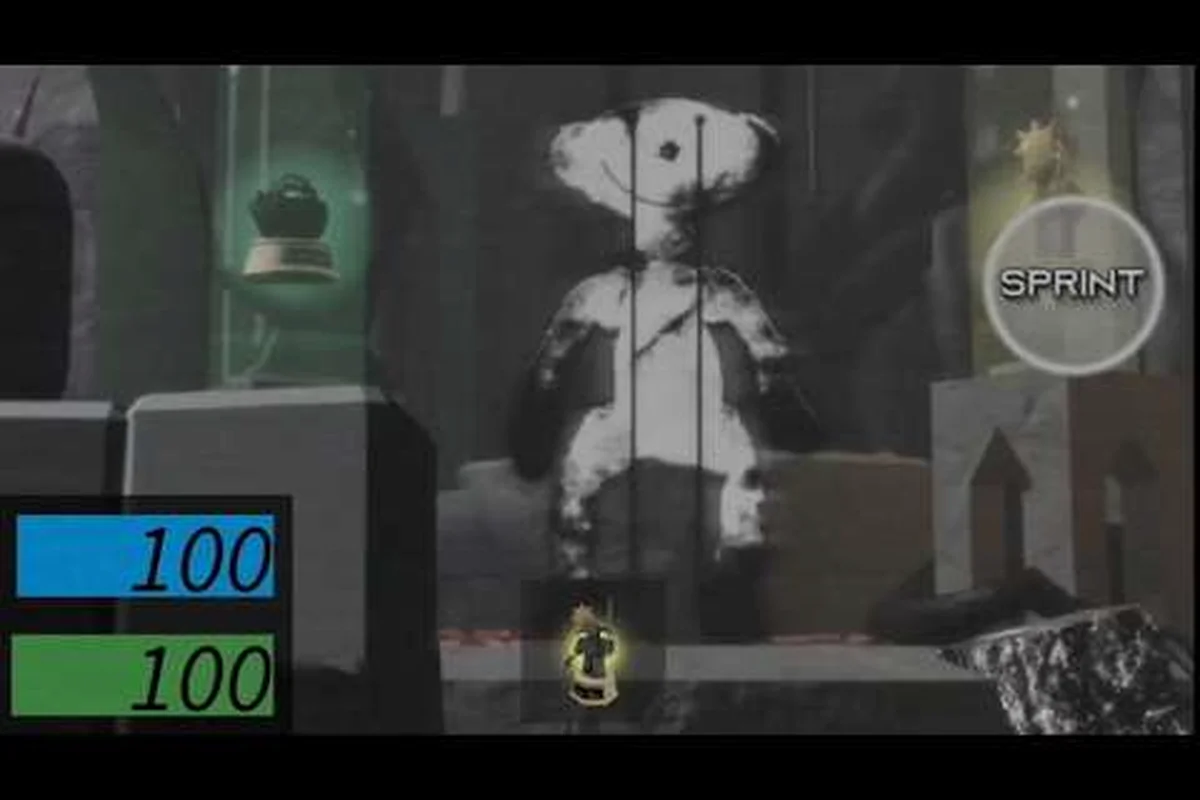
BEAR bear alpha chase mechanics: Sound, Sight, and Speed
Master bear alpha chase mechanics by reading sound cues and sightlines, managing the bear’s speed advantage, respawn rules, and winning as either role.
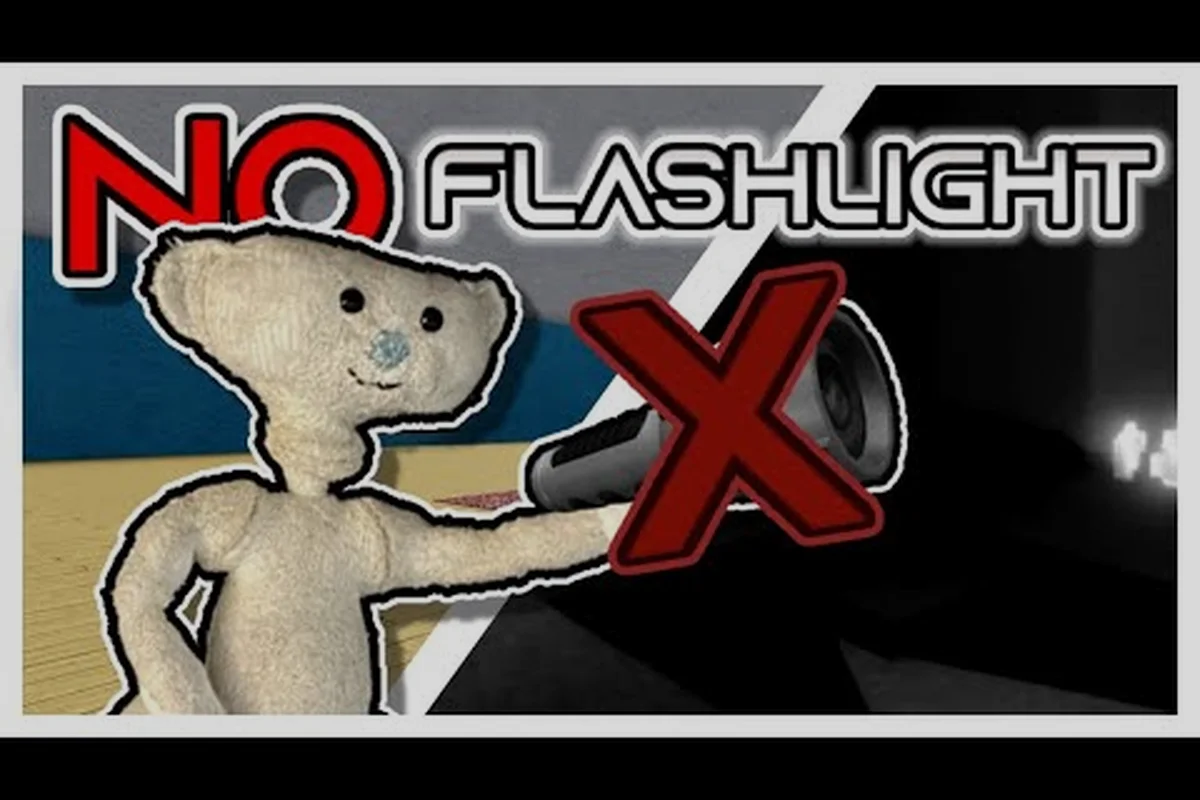
BEAR bear alpha flashlight mechanic: Master Battery and Stamina
Understand the bear alpha flashlight mechanic, including battery drain, stamina costs, permanent damage, and smarter light timing.
All Articles
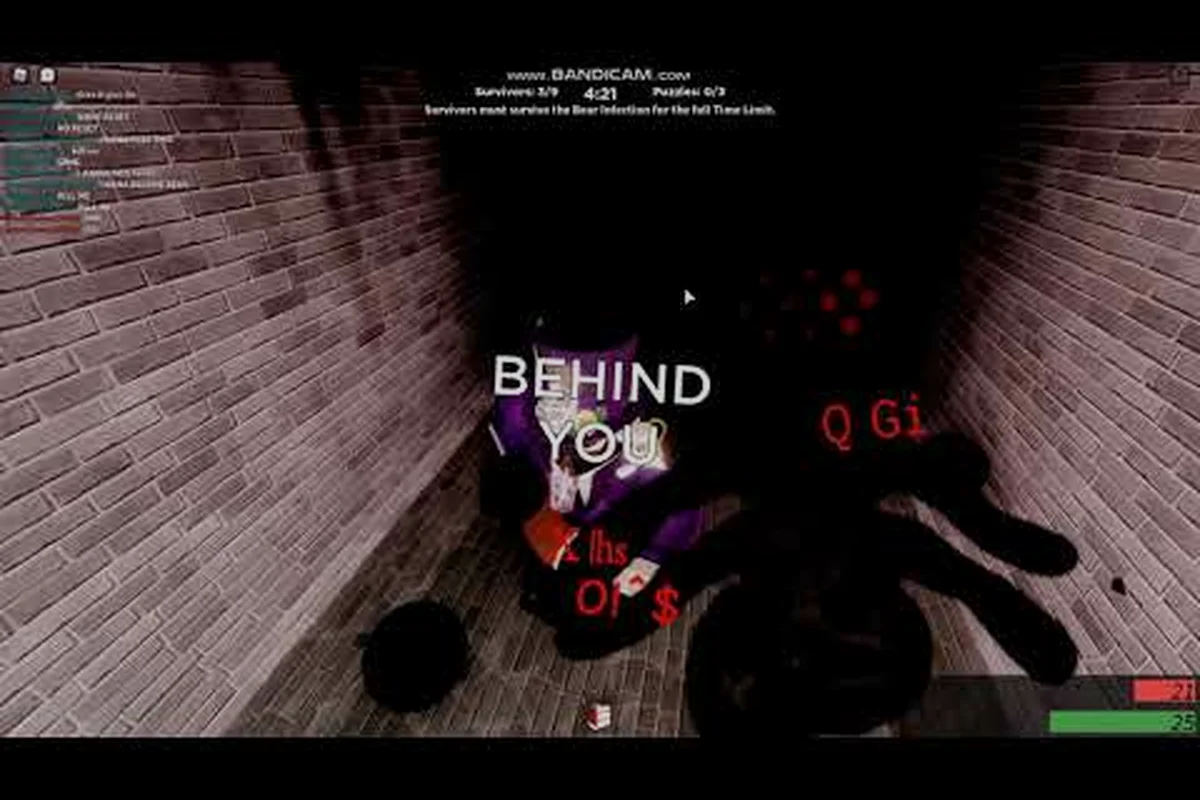
BEAR bear alpha infection rules: Juggernaut, Deluxe, and Events
Unpack bear alpha infection rules for Juggernaut and Deluxe modes, event variations, lobby countdowns, spectating, and the Infection objective structure.

BEAR bear alpha item spawns: Batteries, Doors, and Map Loot
Explore bear alpha item spawns, including battery locations, door interactions, puzzles, map objectives, juking the bear, and final-hour tactics.

BEAR bear alpha mechanics explained: Rounds, Roles, and Rage
Understand bear alpha mechanics explained through the round timer, asymmetric objectives, survivor versus bear roles, rage mode, and how the bear hunts.